 208-855-2444

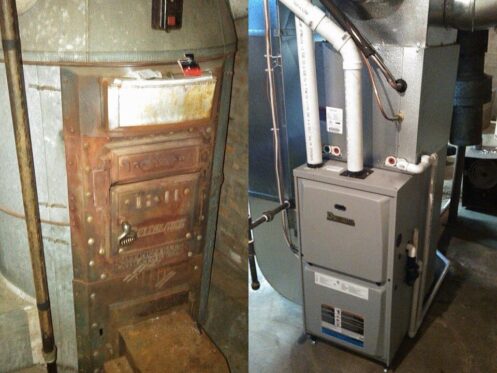
Your HVAC System – The Heartbeat of Home Comfort in Boise
Your home’s HVAC system is more than just an appliance; it’s the heartbeat of your household’s comfort. In Boise, where we see scorching 100°+ summer afternoons and freezing winter mornings, your HVAC system is constantly working overtime. But have you ever wondered how long it’s supposed to last? And more importantly—what can you do to protect your investment and keep your family comfortable year-round?
In this comprehensive guide , we’ll cover everything Boise homeowners need to know about HVAC lifespans, including:
✔ Typical lifespans for different HVAC systems in Boise’s climate
✔ Key factors that shorten or extend your system’s life
✔ Warning signs it’s time for a replacement
✔ Proven maintenance strategies to maximize longevity
✔ 2025 HVAC replacement costs for Boise homes
✔ Local Boise considerations that impact HVAC performance
✔ Money-saving tips on repairs vs. replacement
Whether your system is brand new or pushing 20 years old, this guide will help you make smart decisions about your home’s heating and cooling.
How Long Do HVAC Systems Last in Boise? (By System Type)

Every type of HVAC system has a typical lifespan, but those numbers are only a baseline. Climate, usage, and maintenance all play a major role in how long your system lasts. Here’s a detailed breakdown:
HVAC System Lifespan Comparison Table
| System Type | Average Lifespan | Boise Climate Impact | Maintenance Needs |
|---|---|---|---|
| Central Air Conditioner | 12–17 years | High summer heat (100°F+) shortens lifespan if poorly maintained. | Annual tune-ups, frequent filter changes. |
| Heat Pump | 10–16 years | Year-round operation increases wear in Boise’s variable climate. | Bi-annual service, defrost cycle checks. |
| Gas Furnace | 15–20 years | Built for cold winters but suffers if neglected. | Annual inspections, burner cleaning. |
| Boiler System | 15–35 years | Rare in Boise but very durable if maintained. | Annual flushing, valve inspections. |
| Ductless Mini-Split | 10–30 years | Great for older homes; lifespan depends on usage. | Regular filter cleaning, refrigerant checks. |
| Geothermal Heat Pump | 25–30 years | Idaho’s stable ground temps maximize efficiency. | Annual loop inspections, pump maintenance. |
Local Boise Insight:
Our dry, dusty summers mean filters clog faster than in humid climates. Stay on top of filter changes to protect your system year-round.
Why HVAC Systems Wear Out (Boise-Specific Factors)
No matter how good your system is, it won’t last forever. Here’s why HVAC systems degrade over time—especially in Boise:
1. Mechanical Fatigue
Compressors, fans, and motors wear down from constant cycling.
Boise’s temperature swings (40°F+ daily changes in spring/fall) cause extra strain.
2. Refrigerant Phase-Outs
Older ACs using R-22 Freon are expensive to repair (now banned by EPA).
Newer systems use R-410A, but future regulations may impact these too.
3. Efficiency Loss Over Time
A 10-year-old AC can lose 20-40% efficiency, raising energy bills.
Corrosion & dust buildup reduce performance.
4. Boise’s Extreme Weather
Summer: 100°F+ days push ACs to their limits.
Winter: Sub-freezing nights strain furnaces.
Real Boise Example:
We helped a Meridian homeowner with a 17-year-old furnace that was still running—but its efficiency had dropped so much that replacing it saved $400/year in energy costs.
5 Critical Factors That Impact HVAC Lifespan
1. Installation Quality
A poorly installed system can lose 20–30% efficiency immediately.
Proper sizing is critical—oversized units short-cycle, undersized units overwork.
2. Regular Maintenance
Annual tune-ups catch small issues before they become costly.
Neglected systems fail 5–10 years earlier than maintained ones.
3. Boise’s Seasonal Demands
Most systems last longer in mild climates. Boise’s extremes accelerate wear.
4. Home Efficiency
Leaky ductwork wastes 20–30% of airflow.
Poor insulation forces HVAC to work harder.
5. Filter Maintenance
Clogged filters restrict airflow, causing overheating and breakdowns.
Boise’s dust means filters need changing every 1–2 months in summer.
 Signs It’s Time to Replace Your HVAC System
 Signs It’s Time to Replace Your HVAC System
Don’t wait until your system fails on the hottest or coldest day of the year. Watch for these 5 red flags:
Age (15+ years old) – Efficiency drops sharply after 10–12 years.
Rising Energy Bills – A sign your system is losing efficiency.
Frequent Repairs – If repairs cost $500+/year, replacement is smarter.
Uneven Temperatures – Hot/cold spots mean failing components.
Strange Noises/Smells – Grinding, banging, or musty odors signal trouble.
The “5,000 Rule” for Replacement
Multiply your system’s age by the last repair cost. If the number exceeds $5,000, replacement is the better investment.
Example:
17-year-old furnace
$400 repair bill
17 x 400 = $6,800 → Time to replace!
Maintenance Tips to Extend HVAC Lifespan
1. Schedule Bi-Annual Tune-Ups
Spring (AC Check) – Clean coils, check refrigerant, inspect electrical.
Fall (Furnace Check) – Test burners, heat exchanger, safety controls.
2. Change Filters Regularly
Summer: Every 1–2 months (Boise’s dust clogs them fast).
Winter: Every 2–3 months.
3. Keep Outdoor Units Clear
Trim plants 2 feet around condensers.
Remove leaves & debris to prevent airflow blockage.
4. Upgrade Thermostat Settings
Summer: 78°F when home, 85°F when away.
Winter: 68°F when home, 60°F when away.
5. Improve Home Efficiency
Seal duct leaks (saves 20–30% on energy).
Add attic insulation (ideal for Boise’s older homes).
HVAC Replacement Costs for Boise Homes (2025 Pricing)
| System Type | Installed Price Range | Best For |
|---|---|---|
| Central AC + Furnace | $5,000–$12,500+ | Most Boise homes. |
| Heat Pump (Ducted) | $3,800–$8,200+ | Mild winters, efficient cooling. |
| Ductless Mini-Split | $3,000–$10,000+ | Older homes without ducts. |
| Geothermal System | $15,000–$35,000+ | Long-term savings, eco-friendly. |
Additional Cost Factors:
Home size (1,500 sq. ft. vs. 3,000+ sq. ft.)
Efficiency rating (SEER 14 vs. SEER 20)
Ductwork modifications ($2,000–$6,000 if needed)
Boise Rebates & Savings:
✔ Idaho Power rebates for high-efficiency systems.
✔ Federal tax credits (up to $600 for qualifying systems).
Why Boise’s Climate Demands Proactive HVAC Care
Boise’s unique weather creates extra strain on HVAC systems:
Dry, dusty summers → Clogged filters & coil buildup.
Sub-freezing winters → Furnace stress & cracked heat exchangers.
Big daily temp swings → More system cycling = faster wear.
Best Time to Replace in Boise:
Spring (March–May) – Avoid summer rush.
Fall (September–November) – Pre-winter prep.
Why Choose Access Heating & Plumbing?
We’re a family-owned, local Boise HVAC company—not a national chain. For 50+ years, we’ve helped homeowners:
✔ Extend HVAC lifespans with expert maintenance.
✔ Save money with honest, upfront pricing.
✔ Stay comfortable with reliable repairs & replacements.
Hear From Our Customers:
“Access Heating got our AC working during the hottest week of July. Fast, fair, and no upsells!” — Sarah L., Meridian
“They treated us like family during our furnace replacement. Highly recommend!” — John & Emily T., Boise
Protect Your Investment & Stay Comfortable
Your HVAC system is a long-term investment. By following this guide, you can:
✅ Maximize lifespan with proper maintenance.
✅ Save thousands by replacing at the right time.
✅ Stay comfortable year-round in Boise’s tough climate.
Need Help?
📞 Call (208) 855-2444 for a free estimate or visit accessheating.com to schedule service!

 208-855-2444